
Ten Questions with Brianne Sprenger
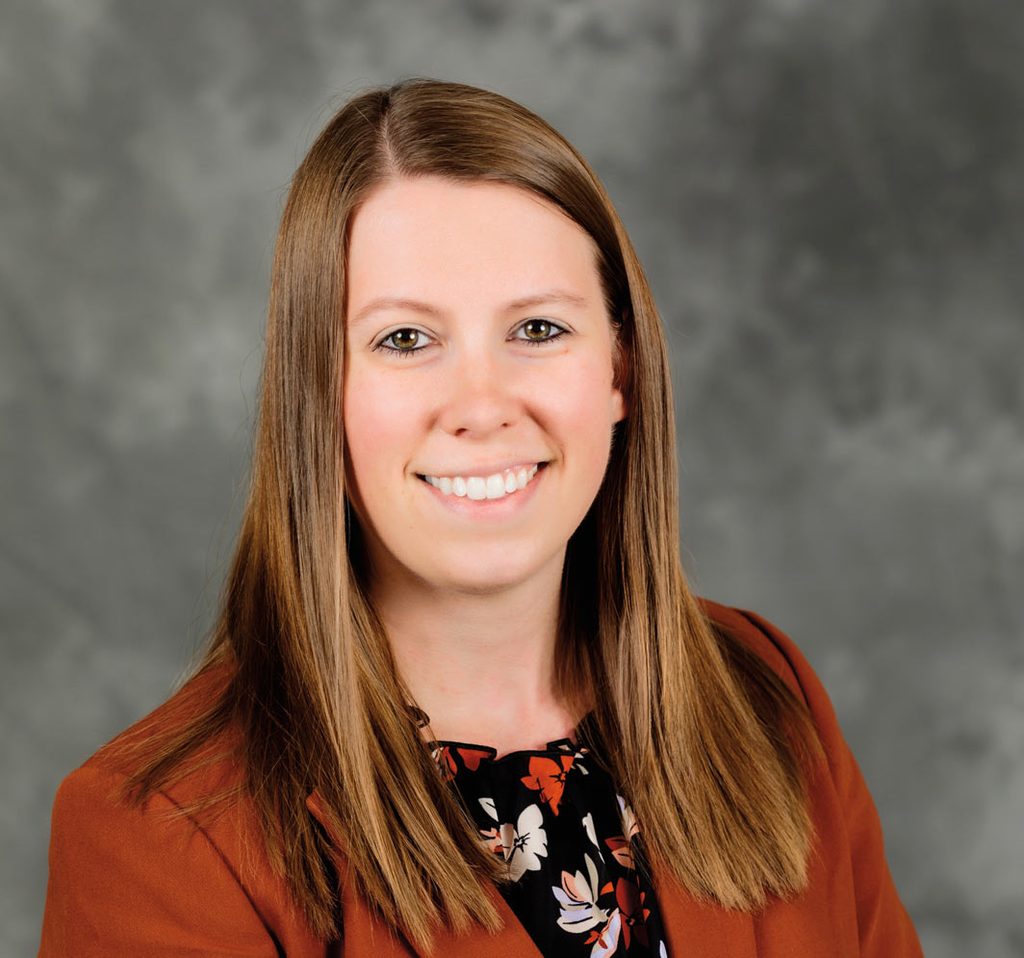
Brianne Sprenger leads teams at Agtegra focused on using data and technology to help employees make informed decisions, serve customers and run the business. She grew up in northwest Indiana and lived in the Twin Cities before moving to Sioux Falls three years ago. She met her husband, Scott, while studying abroad in Australia, and they have two sons, Grayson, 7, and Ryker, 5. She loves being a mom and stays busy with the boys’ activities outside of work. The family has enjoyed making South Dakota home, and Brianne had the incredible opportunity to participate in Leadership Sioux Falls Class 40.
1. What first drew you to a career in agriculture?
My path into agriculture started through technology. I began my career at Land O’Lakes, also a member-owned cooperative, working in several different IT roles. Those experiences gave me a much deeper appreciation for the science, technology, and people behind livestock and crop production. I also discovered that I really value the sense of purpose that comes with working for an agricultural cooperative. There’s something rewarding about knowing I am part of something bigger than myself.
2. What do you think people who aren’t involved in agriculture might be surprised to learn about the industry today?
I think people would be surprised by just how data- and technology-driven agriculture is today. Data and technology are used throughout the industry, such as automation in the field and precision agriculture, helping farmers optimize yield and make decisions that are right for their individual operations. That extends to agricultural cooperatives as well, where we use technology and data to better anticipate customer needs, improve service, and make our own operations more efficient.
3. What is one trend or change happening in agriculture that you’re particularly excited about?
I’m excited by the amount of innovation happening in agriculture and the growing interest in using technology and artificial intelligence in new ways. Farmers and cooperatives alike are looking for opportunities to use technology and data to solve problems, make better decisions, and operate more efficiently. In my role, it’s exciting to be part of finding practical ways to apply those technologies so they create real value and improve how we serve our customers.
4. Agriculture is a big part of the Sioux Falls and South Dakota economy. What do you think makes this region such a strong place for agriculture and agribusiness?
I think one of our strengths is the entire ecosystem that exists around agriculture. We have producers and cooperatives, and a strong network of businesses supporting the industry through processing, trucking, financial services, technology, and other services. Agriculture is deeply connected to our economy and our communities, which creates a strong environment for both agriculture and agribusiness to grow and innovate.
5. What makes South Dakota a unique place to work in agriculture?
What stands out to me about South Dakota is how connected almost everyone seems to be to agriculture, even if they don’t work directly in the industry. They may come from a farm family, have grown up in a rural community, or work in one of the many industries that support agriculture. Having lived in other places in the country, that’s something that feels very different to me. Agriculture is really part of the fabric of the communities here.
6. What is one opportunity you see for the next generation of agriculture?
There is an opportunity to make better use of the wealth of data available in agriculture. There’s so much we can learn from that data to help optimize production and make better decisions, while recognizing that agriculture will always have unpredictable factors like weather and commodity markets. Continuing to bring together agricultural knowledge, data, and technology can help us better navigate those challenges and uncover new opportunities.
7. What do you enjoy most about working in the agriculture industry?
What I enjoy most is the people and the shared sense of purpose. I have the privilege of working with hardworking, down-to-earth people who care deeply about the industry and the people we serve. Being on the IT side also gives me a unique opportunity to learn about many different facets of agriculture and work across the business to solve problems and support our customers.
8. What’s one skill you’ve developed in your career that you didn’t expect to need?
Relationship-building is probably the skill I underestimated most as I embarked on my professional career. I grew up in a household where a strong work ethic was heavily valued, so early in my career I thought if I put my head down and worked hard, that was what mattered most. Over time, I learned how important relationships and trust are to get things done, make positive impacts and get connected to new opportunities. They also help you ask the right questions, understand what someone really needs instead of jumping to a solution, and influence outcomes even without direct authority.
9. What’s your perfect day off?
My perfect day off would start with a slow morning and a warm, caramel latte, followed by pampering at the spa, and later a movie night with my husband and kids. Or, if we could teleport anywhere for the day, we’d be at a Cubs game!
10. If you could give one piece of advice to a young person considering a career in agriculture, technology or data analytics, what would it be?
My advice isn’t necessarily specific to agriculture, technology, or data analytics: stay curious, open-minded, and remember your ideas and perspectives matter, regardless of your number of years of experience. Learn how the business works, ask a lot of questions, and don’t be afraid to challenge the status quo. While parts of agriculture can be rooted in doing things the way they’ve always been done, there’s also a real appetite for innovation. Understand the reasons behind how things are done, but be willing to push boundaries and find better ways of doing them.