Sioux Falls Community Builds Brighter Futures Through Abbott House Campaign
Community Appeals effort advances plans for new foster homes and independent living apartments
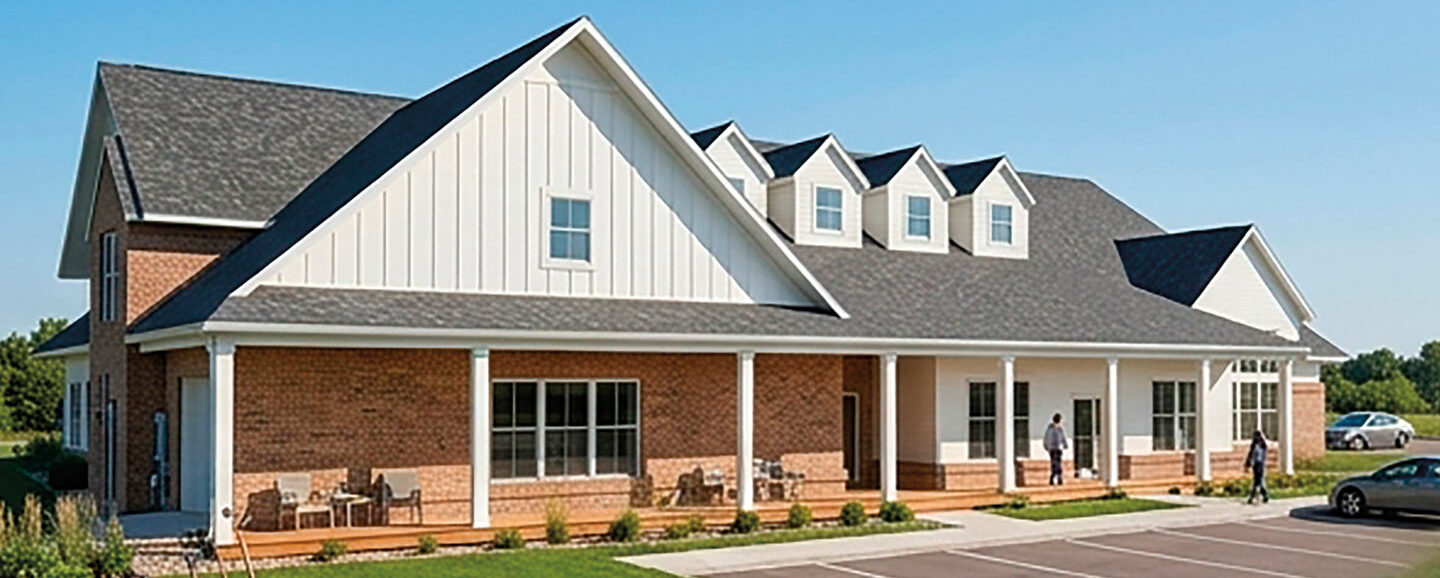
For children and teens navigating the foster care system, a safe home, supportive environment and opportunity to heal can change the course of a young person’s life. Through its “Building Bridges to a Brighter Future” campaign, Abbott House Youth Services is working to make those opportunities available to more young people.
The Chamber’s Community Appeals campaign, which ran from April through July 2026, helped generate awareness and support for a project that will add two intensive foster care homes and independent living apartments. The effort exceeded its $1.8 million Community Appeals goal, raising $1,844,538 thanks to the generosity of local businesses and community supporters. That momentum is helping advance the broader “Building Bridges to a Brighter Future” campaign, which seeks to raise $3 million for the project.
“At its heart, the Bridges Project is about giving children hope, stability and the opportunity to grow in a safe, nurturing home. We are incredibly thankful to the donors, businesses and community members whose generosity made this vision a reality. Their investment will positively impact the lives of children and families for years to come, creating brighter futures and a stronger community,” Campaign Co-Chair Joe Gannon said.
The project addresses a growing need across South Dakota. Today, more than 1,700 children are in foster care statewide, while only 793 registered foster homes are available to serve them. Although the new homes and apartments will be located near Sioux Falls, their impact extends far beyond the community. Abbott House serves more than 400 children and young adults annually throughout South Dakota, with approximately 45% coming from the greater Sioux Empire area.
“Donors understand that when young people aren’t supported and nurtured, they will eventually become part of our criminal and/or social services system as adults,” said Eric Klooz, Executive Director of Abbott House Youth Services. “This project will change the future of today’s foster children and tomorrow’s families.”
Behind the scenes, nearly 50 volunteers helped make the Community Appeals campaign a success. Their outreach connected Abbott House with business leaders and donors who may not have previously been familiar with the organization’s work.
The Community Appeals process also helped increase awareness of Abbott House’s long-standing connection to the Sioux Falls community while introducing the organization’s expansion plans to a broader audience.
“Abbott House has served children from the Sioux Falls community for more than 85 years, but until recently, we did not have a facility here,” said Virginia Wishard Lambert, Abbott House Director of Development. “The Community Appeal process has introduced Abbott House to the community in a new way. It opened many doors for us to share the story of our work and helped us build relationships and increase awareness of the important services we provide to children and families across South Dakota.”
Looking ahead, Abbott House plans to celebrate the campaign this fall and break ground on the project in 2027, with a target opening date in fall 2027. The organization will continue final fundraising efforts while also working with construction, furniture and appliance providers on in-kind donations and project needs.
Once completed, the project will initially support approximately 30 youth and young adults each year. The two foster homes will increase total capacity in Abbott House’s Intensive Foster Care program to 84 youth, bringing total capacity across all programs to 193 youth at any one time. The expansion will also help Abbott House achieve its goal of providing independent living opportunities in South Dakota’s two largest communities, as well as Mitchell.
The long-term impact can already be seen in the lives of former Abbott House youth who have gone on to successful careers and community leadership roles.
“Our alumni are now teachers, medical researchers, social workers and lawyers, and we even have a couple who worked in the Secret Service,” Klooz said. “Investing in this project is investing in the future of our communities, our state and our country.”